Skip to content
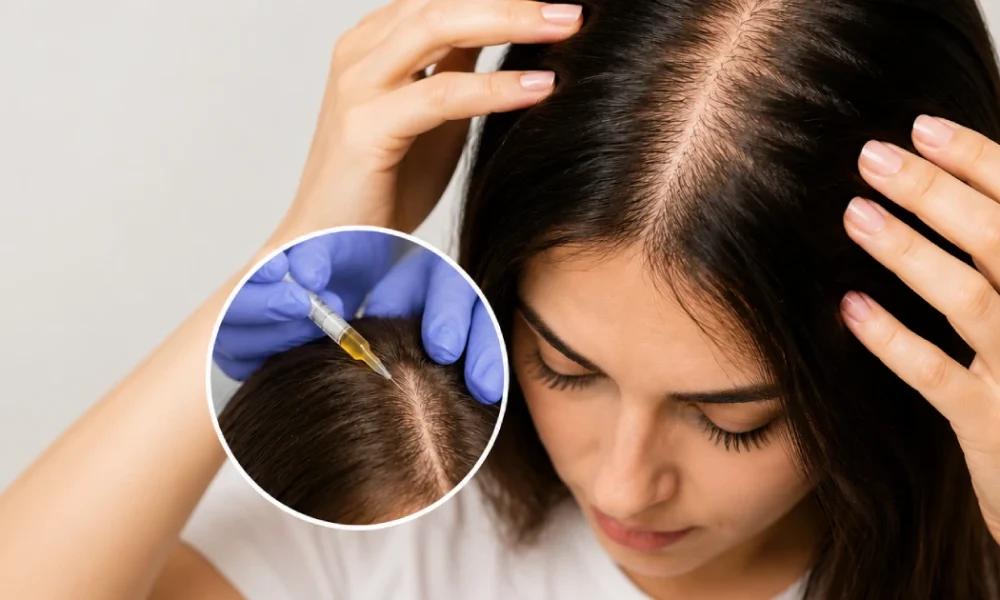
Table of Contents
Hair thinning is one of the most common concerns people quietly carry for months or even years before seeking help, often because it feels gradual enough to dismiss. At Ascend Regenerative in Denville, NJ, hair restoration is approached the same way any health concern should be: by looking at the root cause first.
What are the common causes of hair thinning?
Hair thinning is usually caused by genetics, hormonal fluctuations, chronic stress, or nutritional gaps such as low iron or vitamin D levels. Each cause responds differently to treatment, which is why a proper scalp assessment matters. Knowing the root cause is always the first step toward finding something that actually works.
Why Hair Starts Thinning in the First Place
Hair thinning is not a single condition with a single fix. It is the result of several different processes, and the cause matters because it shapes what will actually help.
The most common triggers include androgenetic alopecia, which is genetic hair loss that affects both men and women; telogen effluvium, a stress or illness-triggered shed that can happen after a major life event, surgery, or illness; hormonal fluctuations tied to thyroid function, pregnancy, or menopause; and nutritional gaps, particularly low iron, vitamin D, or protein.
Your hair follows a natural cycle. Each strand goes through a growth phase (anagen), a transition phase (catagen), and a resting phase (telogen) before it sheds and a new strand begins to grow.
When something disrupts that cycle, whether stress, hormones, or genetics, more follicles shift into the resting phase at once, and noticeable thinning follows. Understanding this cycle is not just biology trivia. It is why treating the causes of hair thinning directly yields better results than simply treating the surface.
The Difference Between Normal Shedding & True Hair Loss
Most people shed between 50 & 100 strands of hair daily, which is completely normal. Hair naturally cycles out, and you will find some on your brush or in the shower drain without it meaning anything is wrong.
What deserves attention looks a little different:
- A part that appears noticeably wider than it used to
- Thinning at the crown or temples
- A hairline that has gradually shifted back
- An overall loss of density that makes hair feel lighter or flatter
If any of these feel familiar, it is worth having a conversation with a provider who can assess what is actually happening at the level of the follicle. Many people delay seeking help for hair loss because they see it as a vanity concern, but it is a clinical one. Follicle health declines over time, and the longer thinning goes unaddressed, the narrower the window for effective treatment becomes.
How Hair Restoration Treatments Target the Root Cause
Over-the-counter products work at the surface. Shampoos, serums, and supplements can support general scalp health, but they do not reach the follicle in the way that clinical hair regrowth therapy does. Non-surgical hair restoration works by stimulating dormant or struggling follicles, improving circulation to the scalp, and creating the biological conditions that follicles need to re-enter the growth phase.
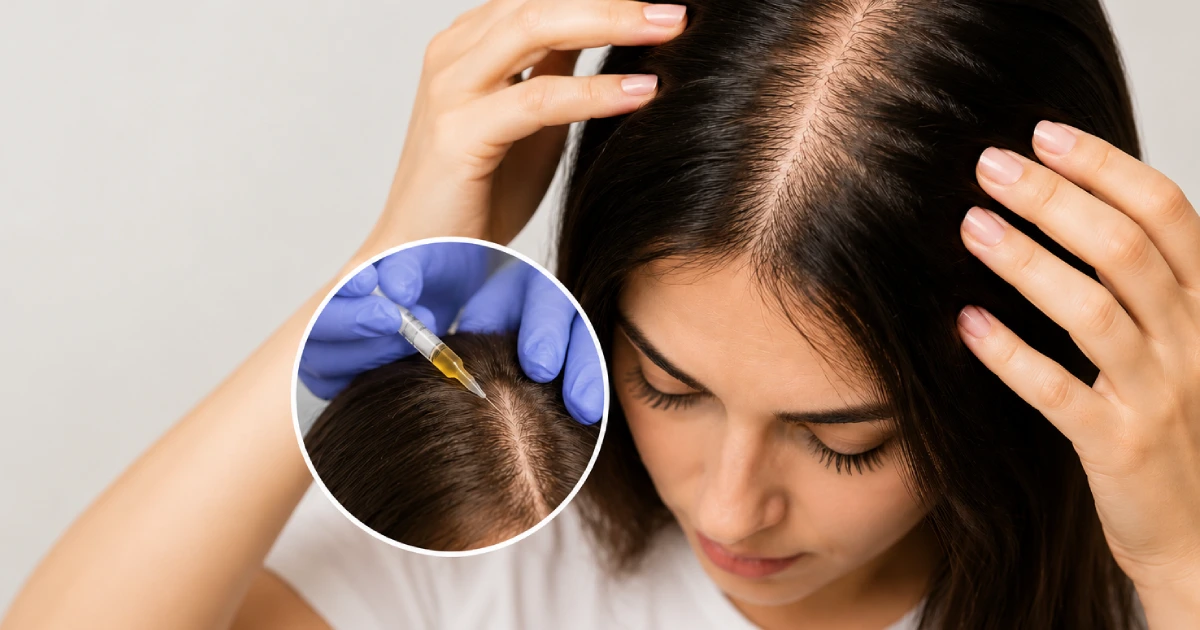
At Ascend Regenerative, hair restoration in Denville, NJ, uses Platelet-Rich Plasma (PRP) therapy. PRP is drawn from a small sample of the patient’s own blood, processed to concentrate growth factors, and then injected into the scalp at the level of the follicles. Those growth factors signal the body to direct repair and regeneration to the treatment area.
Because PRP uses the patient’s own biology, it works with the body rather than introducing a synthetic agent. Most patients see a gradual improvement in density and a reduction in shedding over a series of sessions. Results build over time, which is consistent with how hair naturally grows.
What to Expect From Hair Restoration at Ascend Regenerative
The process starts with a thorough scalp assessment. Before any treatment begins, the provider at Ascend Regenerative takes time to understand the pattern and likely cause of the thinning hair, so the approach is matched to the individual.
Thinning hair solutions sessions are generally well-tolerated. Most patients describe the feeling as mild pressure or a brief, light discomfort that resolves quickly. A session typically takes under an hour, with minimal downtime afterward.
As for results, most patients begin noticing a reduction in shedding within the first few sessions. Visible improvement in density and fuller-looking hair generally develops over several months, as the follicles respond and new growth cycles begin. Multiple sessions are typically recommended to attain the best outcome. Our provider will walk you through a realistic timeline based on your specific situation.
Who Is a Good Candidate for Hair Restoration
Non-surgical hair restoration tends to produce the best outcomes for patients in the early to moderate stages of thinning, when active follicles are still present and can be stimulated. It is also well-suited for patients whose shedding has a clear trigger, such as a hormonal shift or a stressful period, and for those who have tried OTC products without meaningful results.
Patients with significant follicle loss over a large area may need a different conversation, as restoration works best when there is follicle activity to build on. A consultation with provider at Ascend Regenerative helps determine whether PRP-based hair thinning treatment is the right fit or another approach makes more sense.
Common Questions About Hair Thinning and Restoration
How many sessions are typically needed?
Most patients begin with a series of three to four sessions several weeks apart, followed by maintenance treatments. Our provider will recommend a schedule based on your specific pattern of thinning.
Does hair restoration hurt?
Most patients tolerate the treatment well. Mild pressure or brief, light discomfort during the session is the most common experience.
Can both men & women benefit from hair restoration?
Yes. Hair restoration benefits apply to both men and women experiencing thinning, regardless of the pattern or cause.
How do I know if my hair loss is genetic or stress-related?
A scalp assessment and a conversation about your health history with a qualified provider are the most reliable ways to understand the cause. That assessment is where Hair Thinning Treatment in Denville, NJ, at Ascend Regenerative begins.
Boost Your Hair
At Ascend Regenerative, patients dealing with hair thinning in Denville, NJ, receive personalized, root-cause-focused care in a supportive environment. The team is committed to helping you understand your options and find an approach that fits your goals. Schedule your hair restoration consultation at Ascend Regenerative in Denville, NJ, today!